How to Measure ROI for Experiential Marketing Activities?
Today’s marketing departments have a very wide toolbox at their disposal. From digital tools like newsletters, SMS messaging and more, to non-digital tools such as in-person meetings with customers at conferences, exhibitions, product launches, and more. But how exactly do you measure the success of these marketing tools? Here we will review tools for measuring the ROI of experiential marketing activities. Pay attention, the conclusions may change your work plans!
What is Experiential Marketing?
Experiential marketing, sometimes called emotional marketing, aims to create interaction with target audiences of brands in a way that evokes emotions and creates a connection. It does not focus on product attributes, but goes beyond to the framing story and seeks to influence the values it represents. Experiential Marketing will not tell you about a car but about freedom, not about flowers but about love, thereby turning a product into emotion, desire and passion.
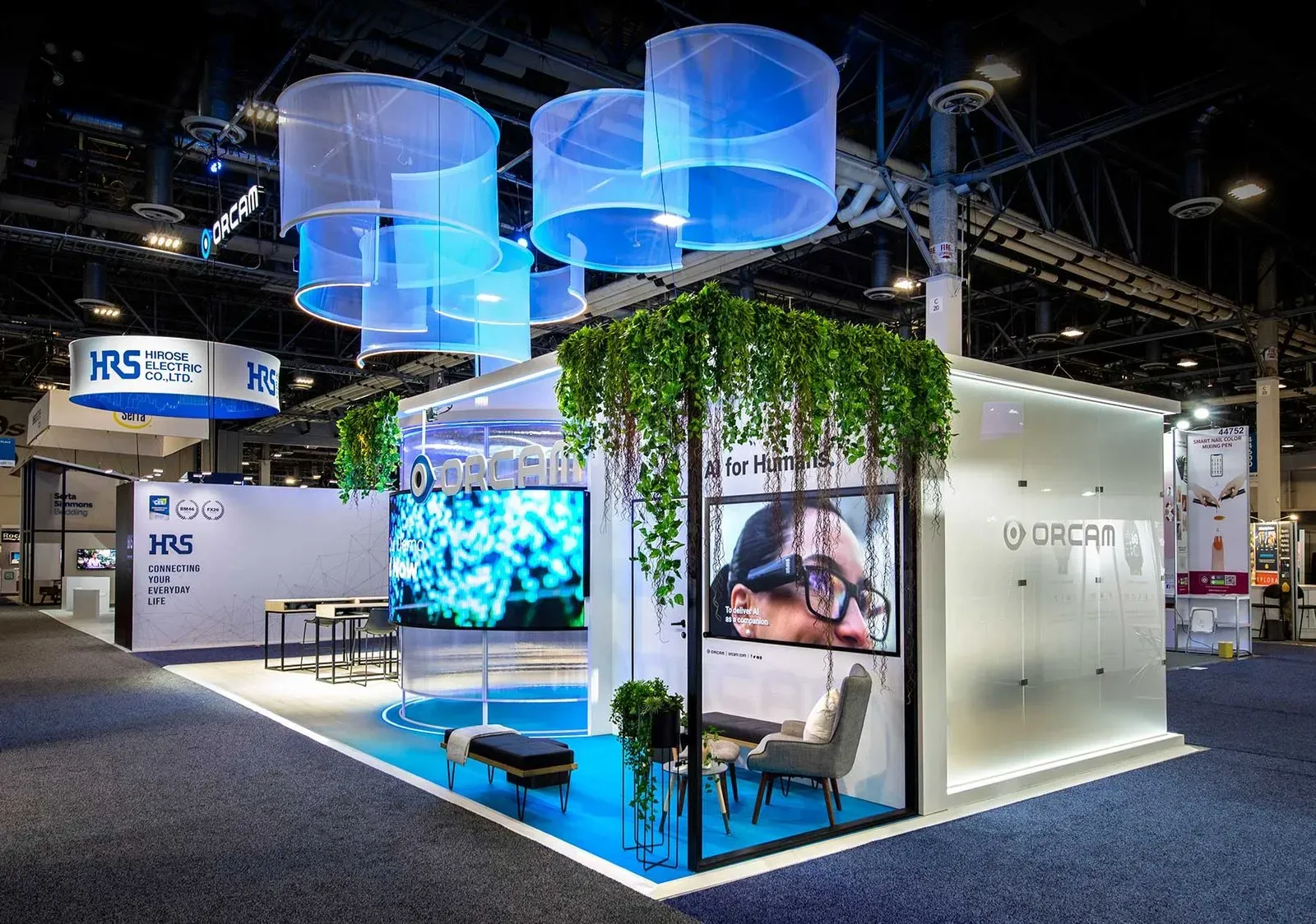
Experiential marketing activities are often held at customer events, conferences or exhibitions, or as part of broader marketing campaigns. Experiential marketing allows exposure to a product or brand in a way that creates impact, leaving a meaningful long-term memory. The visitors is in an interaction where they take a stand, creates, evoking their emotions and thoughts to have sense of commitment. The result, along with other marketing tools, contributes to increasing the customer base and sales, but that is not always the main immediate direct goal.
Experiential marketing events create a new and interactive brand experience. The approach is becoming more and more popular among brands as it provides a distinct, creative, unexpected and therefore very memorable way to keep the brand and products in mind over time. Since this is a long-term approach, sales results are not immediate, so with all the significant advantages of the approach, measuring return on investment (ROI) can be challenging. Here are some tips to help you measure ROI at brand experience events.

What is not Measured cannot be Managed
Before planning a brand experience event, it is important to define your goals and objectives. What do you want to achieve with the event? Do you want to increase brand awareness, generate leads or boost sales? Create buzz? Respond to competitor activity? Defining your organization’s goals and objectives will help you characterize the activity, set the budget, and measure the success of the event.